
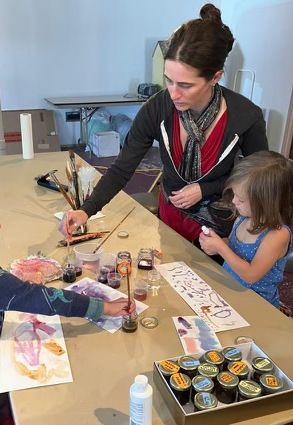
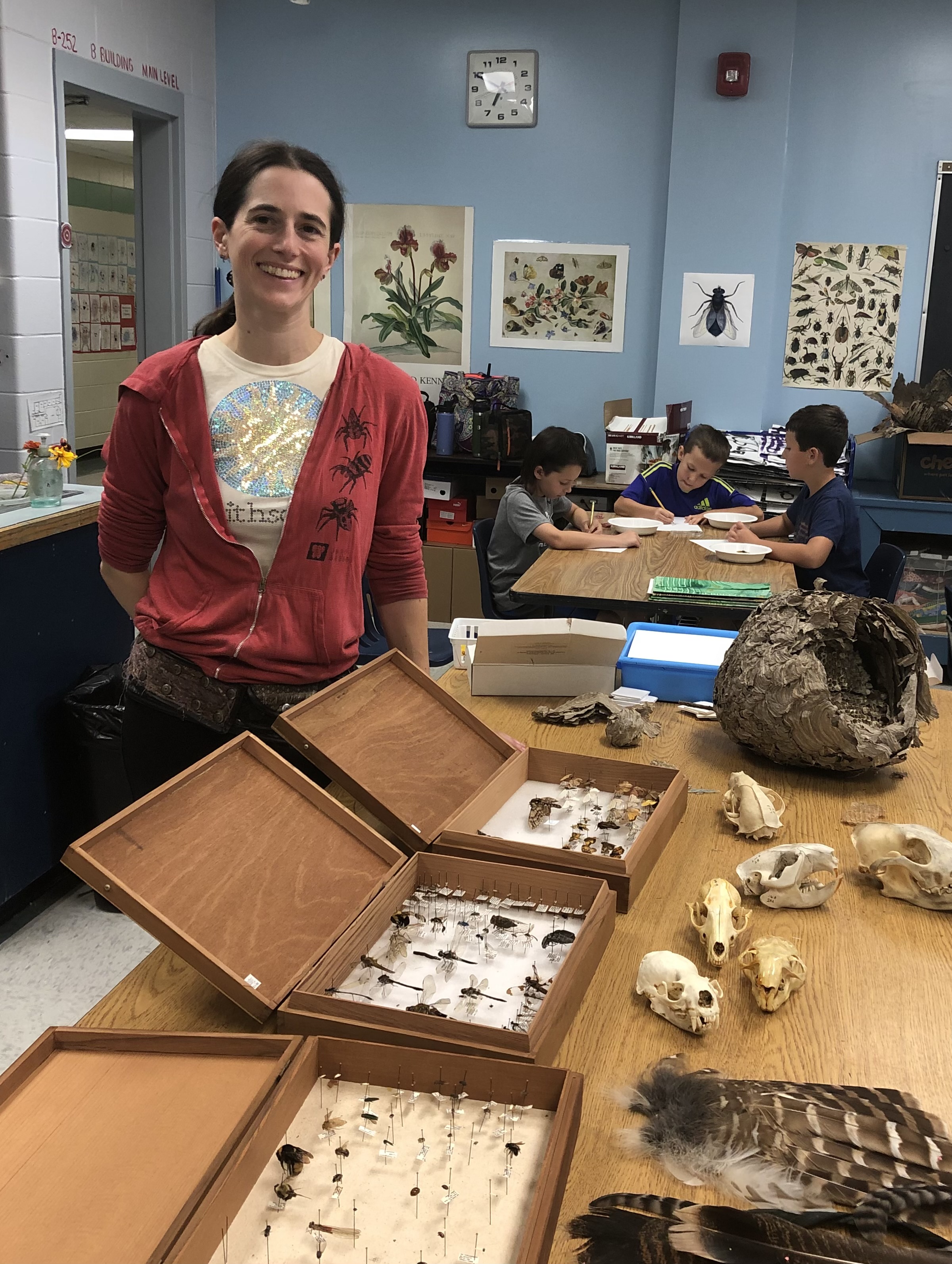
 I started teaching at museums, such as the California Academy of Sciences, the Harvard Museum of Natural History, and in Vermont at the Montshire and Fairbanks Museums. I've now taught online, in person, and outdoors for nature centers including North Branch Nature Center and Birds of Vermont Museum and for arts organizations including Across Roads Center for the Arts, The Current, and Radiate Art Space. I've run workshops for undergrads at Paul Smith's College, done residencies for elementary, middle, and high school in Vermont public schools, and held classes for adults at nonprofits like the Green Mountain Club and the Access CVU program.
I'm on the Vermont Arts Council's Teaching Artist roster and have staffed Project Design Lab, run by the Community Engagement Lab. You can read more about my past experience here: Creative Ground profile
Curricula
Below are my regular workshops, which I can adjust to context. I’ve taught many in both classroom and informal settings, and in long and short formats. I prefer to tailor project plans and content to the interests of students, so I frequently create brand new experiences.
Email me if you would like to discuss a teaching project:
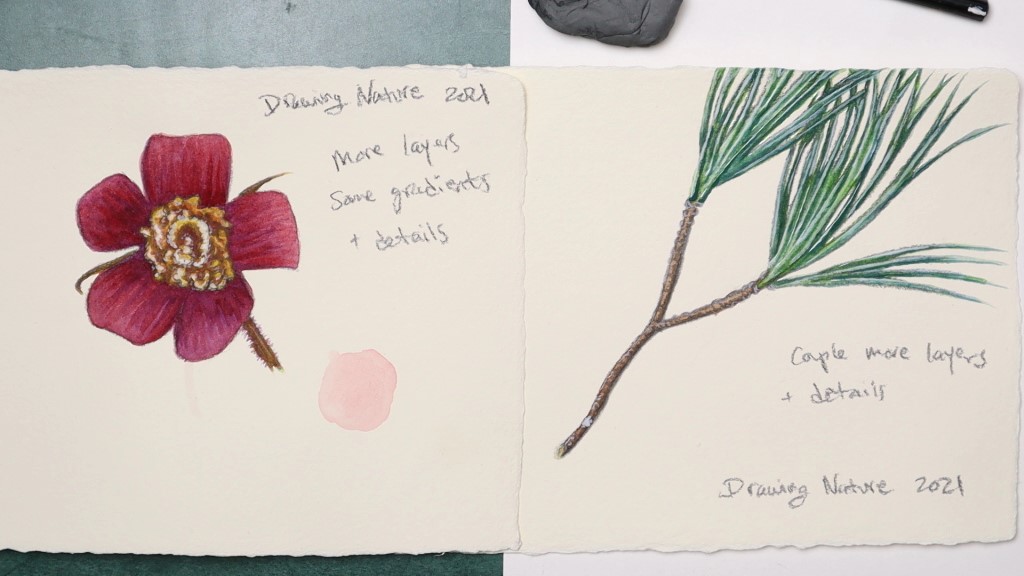 Drawing Nature
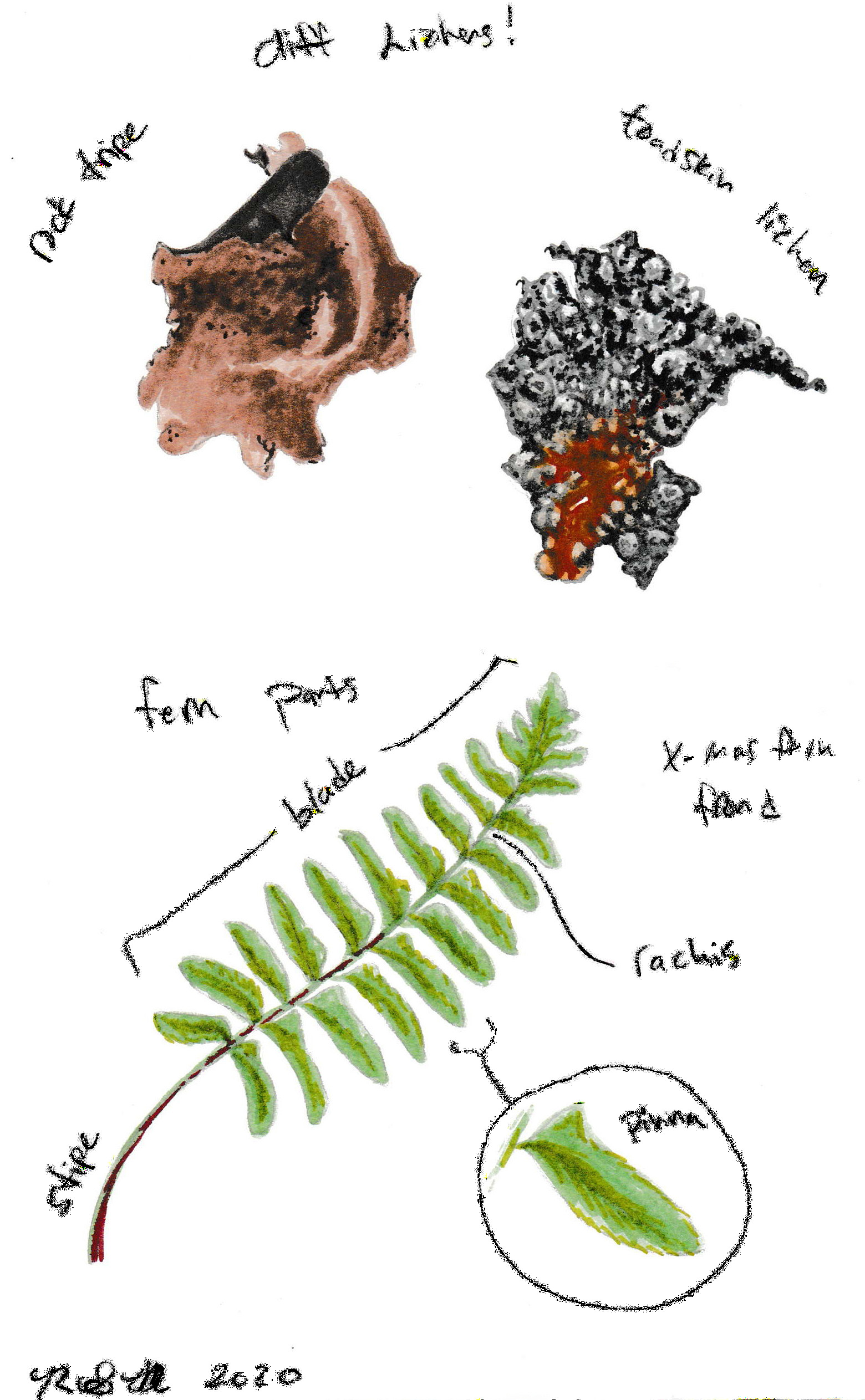
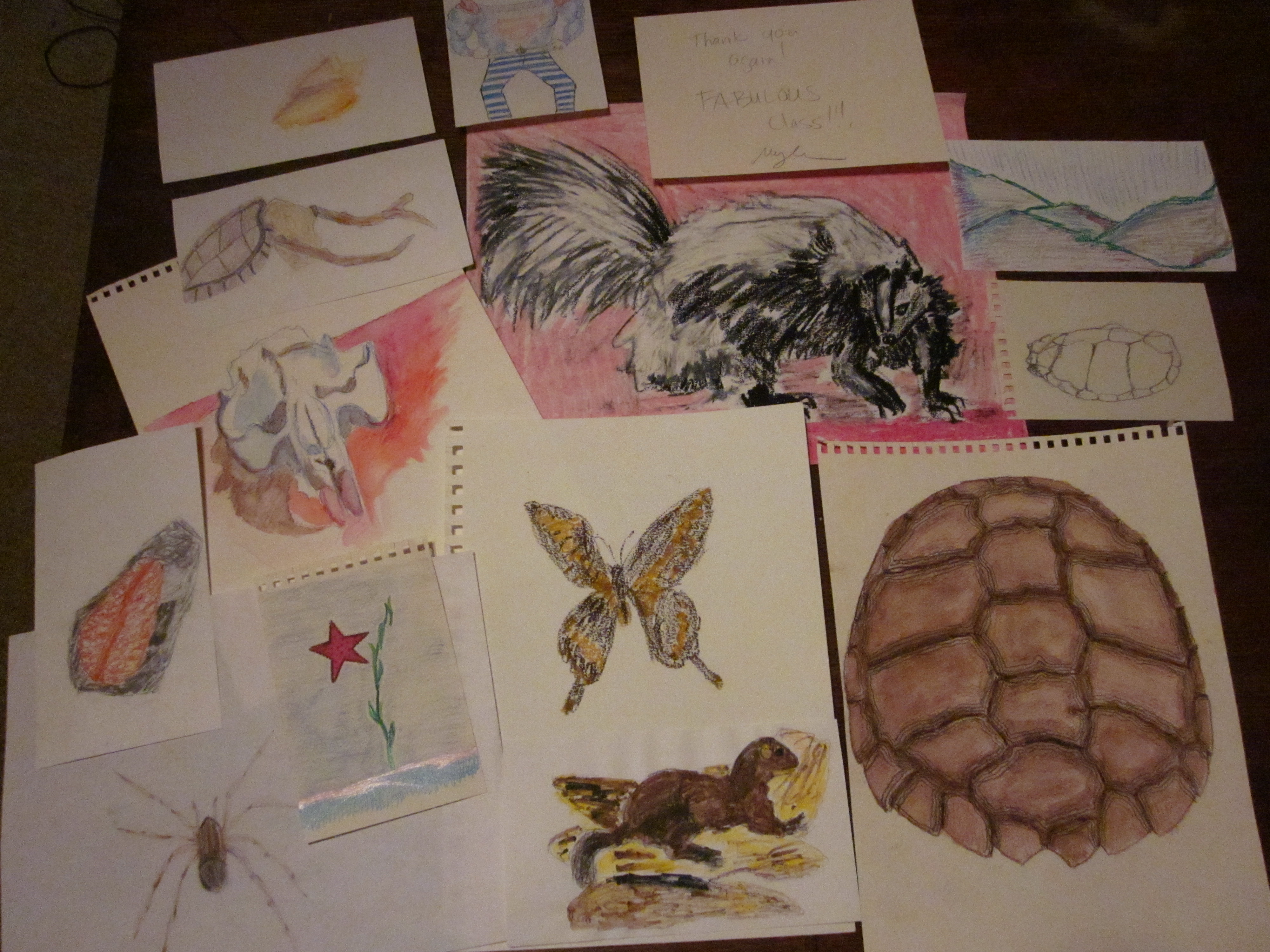
Close observation can inspire wonderful works of imagination. This course begins with observational drawing, combining careful inquiry with drawing technique to build the keen observation skills foundational for both artists and naturalists. Using example plant and animal groups, we review growth and body patterns, learning through drawing. I introduce field sketching, grayscale and color drawing, and watercolor layer technique. The course culminates with examples and projects in imaginative nature art, launching you into your own nature illustrating journey!
This class was designed for online instruction, but can be adapted for in-person contexts. A pre-recorded version is available through North Branch Nature Center: NBNC Nature Now Online Courses
Ages: 12-100+
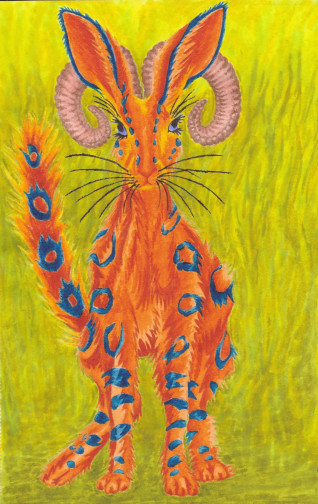
Drawing on Creativity: Nature Art Beyond Observation
Observing nature has inspired many artistic flights of imagination. This course uses nature study through observational drawing to learn about some familiar animals, from birds to beetles. Using that foundation, we will follow in the footsteps of scientific illustrators and storytellers to invent our own reconstructions of vanished animals like the dinosaurs or our own versions of folk animals like the jackalope. Along the way I cover field sketching, adding color to drawings, watercolor gradients, and more. Learn to fuel your imagination with your love of nature!
This class was designed for online instruction, but can be adapted for in-person contexts. A pre-recorded version is available through North Branch Nature Center: NBNC Nature Now Online Courses
Ages: 12-100+
Art and the Brain: How Perception Determines the Ways We Make and Appreciate Art
This course combines learning about how our brains work with thematically-related art projects. Some example sessions include: Color: We look at how color is perceived while having fun with color-focused art projects. What vs Where: We play with equiluminant colors while looking at how the brain processes visual information. Focus and Detail: We look at and practice ways to use different levels of detail in the visual field to guide viewer attention. Creativity: We consider where inspiration comes from and practice mindfulness techniques for getting in touch with our creative subconscious.
This class was designed for online instruction, but can be adapted for in-person contexts.
Ages: 12-100+
Nature journaling
Learn how to nature journal by exploring the natural world through drawing and writing! My nature journaling workshops introduce a foundational nature journaling framework that can be tailored to any outdoor interests. We will cover drawing warm up, observational writing, and journal entry structure. I can adjust workshop length and detail to accommodate different schedules and depth of interest. Two-hour single sessions are the most common choice. I prefer to take students outside, but in the event of rain, we can work indoors with my natural history collection.
Ages: 6-100+
Make Your Own Plant-Based Art Materials
Make a messy masterpiece using your own homemade paints and playdoughs! We’ll learn a little chemistry by extracting pigments from familiar vegetables, mixing with different binders to make paint or doughs to make "clay". We’ll experiment with three “mystery” binders to see which works the best. We’ll also introduce acids and bases using a color-changing pigment. And we’ll get paint everywhere (don’t forget your smock)!
Ages: 1-13
Bubble Prints
We'll turn bubble-blowing fun into a work of art in this inquiry-based project! We’ll experiment with common bubble ingredients to make our own "bubble stuff", testing to see which works the best. We’ll add watercolor to make bubbles that leave a print when they pop on paper and see what colors and shapes we get. We can also experiment with making our own bubble-blowing sticks out of different materials and in different shapes and sizes. Another project designed for smock-wearing!
Ages: 5-13
Drawing for Mindfulness
I lead participants in observational drawing techniques that can quiet the mind and encourage being wholly present in nature. We’ll practice drawing techniques inside with a variety of materials for every ability level, and weather permitting, move outside for a nature walk and en plein air drawing. All materials provided, but participants are encouraged to bring any natural objects they wish to draw or share.
Ages: 6-100+
Fees
I no longer maintain a regular fee schedule. My bigger residencies are usually covered by grant funding and every grant has its own fee requirements. I typically assist with grant writing at no charge, if some portion of the grant is going to fund my work.